
Protect Yourself and Your Family from Frostbite, Hypothermia, and Winter Illnesses
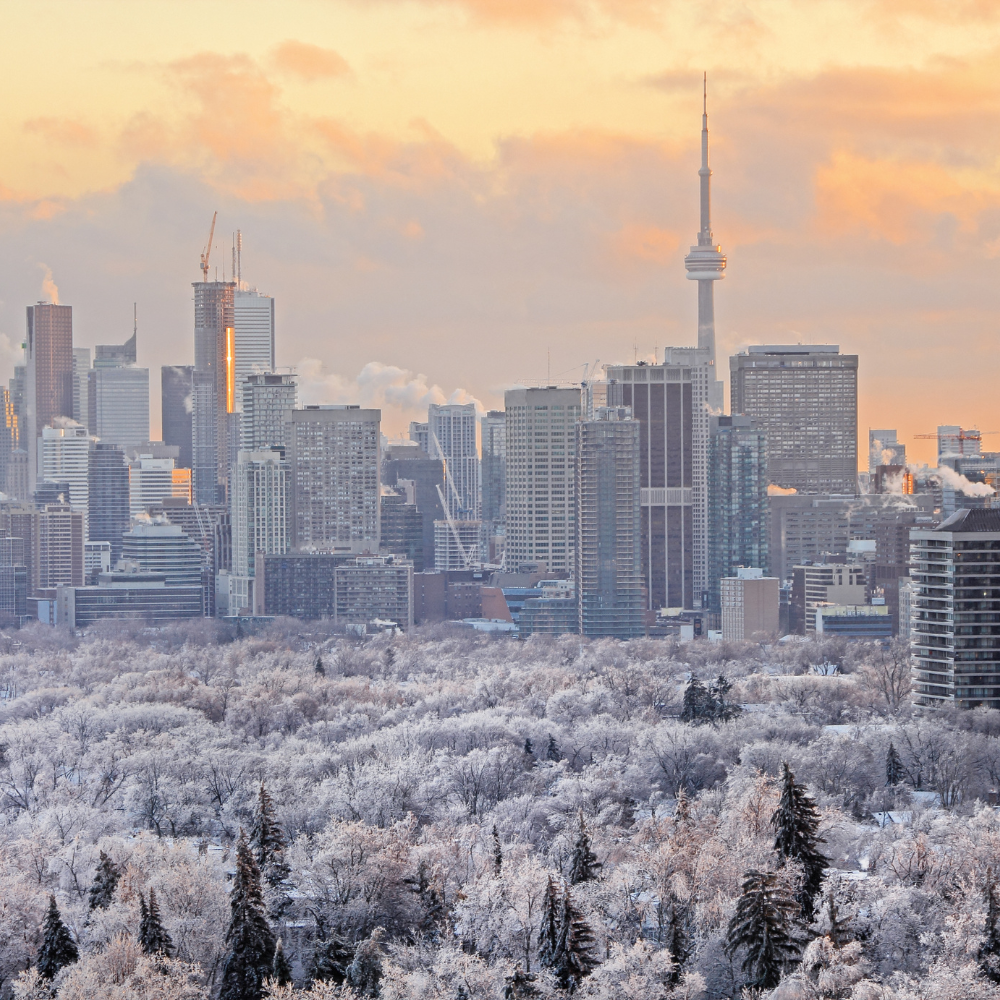
Winnipeg winters are legendary for their intensity, with temperatures frequently dropping below -20°C and wind chills that can make it feel even colder. At Pinnacle Medical Services, we see firsthand how winter weather affects our community’s health. Here’s your comprehensive guide to staying safe and healthy during the coldest months.
Understanding Cold Weather Health Risks
Exposure to extreme cold isn’t just uncomfortable—it can lead to serious health conditions. The most common winter health concerns we treat at our Regent Avenue clinic include:
Frostbite occurs when skin and underlying tissue freeze due to prolonged exposure to cold. It most commonly affects fingers, toes, nose, ears, cheeks, and chin. Early signs include numbness, white or grayish-yellow skin, and unusually firm or waxy-looking skin.
Hypothermia happens when your body loses heat faster than it can produce it, causing your core temperature to drop dangerously low. Warning signs include intense shivering, confusion, drowsiness, slurred speech, and fumbling hands.
Winter-Worsened Chronic Conditions – Cold weather can exacerbate asthma, arthritis, heart conditions, and other chronic illnesses. Patients with these conditions should take extra precautions during extreme cold.
Dressing for Success in Winnipeg Winters
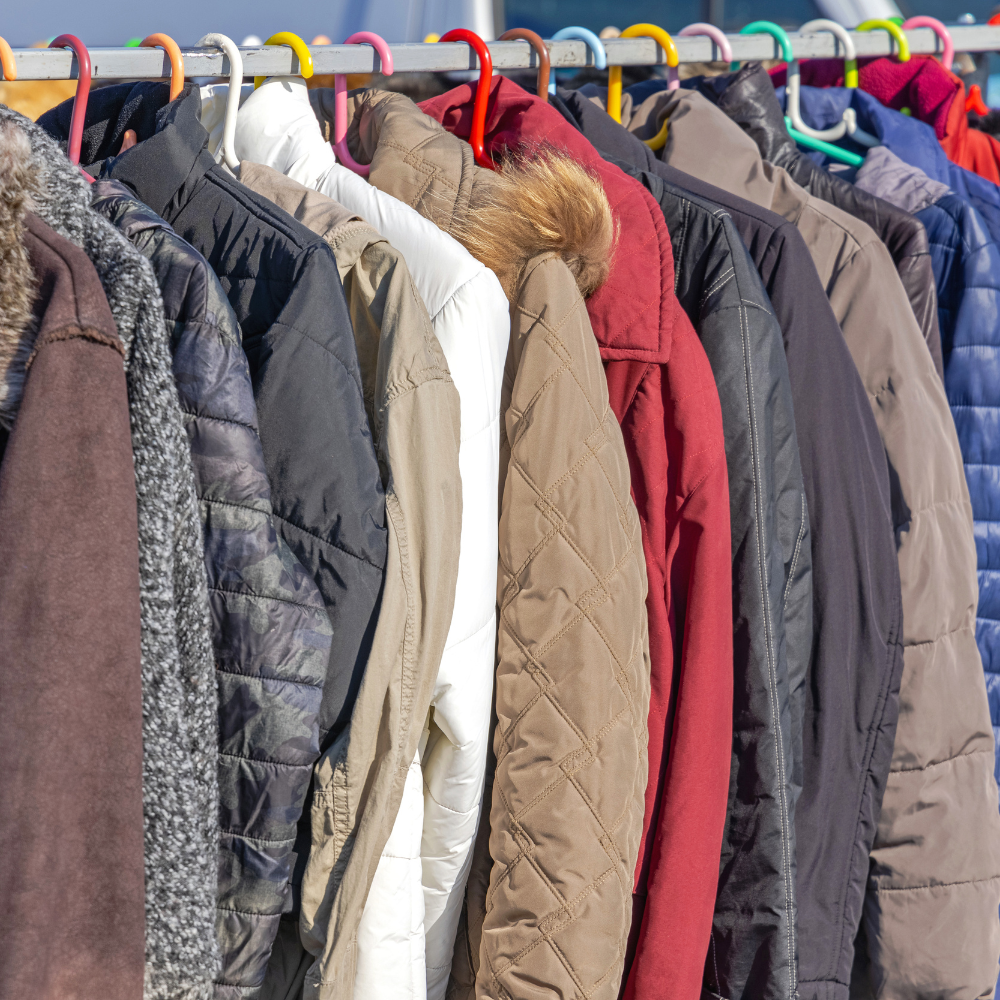
The key to winter safety is proper layering:
Three-Layer System:
- Base Layer (Moisture-wicking): Long underwear made from synthetic materials or merino wool that pulls sweat away from your skin
- Middle Layer (Insulation): Fleece or down jacket that traps warm air
- Outer Layer (Protection): Waterproof and windproof jacket or parka that shields you from elements
Critical Accessories:
- Insulated, waterproof boots with good treads to prevent slips on ice
- Warm hat that covers your ears (you lose significant body heat through your head)
- Insulated mittens or gloves (mittens keep fingers warmer)
- Scarf or neck warmer to protect your face and neck
- Face mask or balaclava for extreme cold days
When to Stay Indoors
Monitor local weather forecasts and extreme cold warnings. When wind chills reach -40°C or colder, limit outdoor exposure to absolute necessities. Even properly dressed individuals can develop frostbite within minutes in these conditions.
Home Heating Safety
While keeping warm is essential, heating equipment causes winter hazards:
- Maintain at least one room heated to 20°C
- Have furnaces and heating systems inspected annually
- Use space heaters carefully, keeping them away from flammable materials
- Install and maintain carbon monoxide detectors—this is critical and can save lives
- Never use gas stoves or ovens to heat your home
Winter Activity Safety
Winnipeg offers wonderful winter activities, but safety comes first:
- Before outdoor activities, check current weather conditions and wind chill
- Tell someone where you’re going and when you expect to return
- Carry a fully charged cell phone
- Take regular warm-up breaks in heated spaces
- Avoid alcohol before and during outdoor activities—it increases hypothermia risk
- Never leave children, elderly family members, or pets unattended outdoors in extreme cold
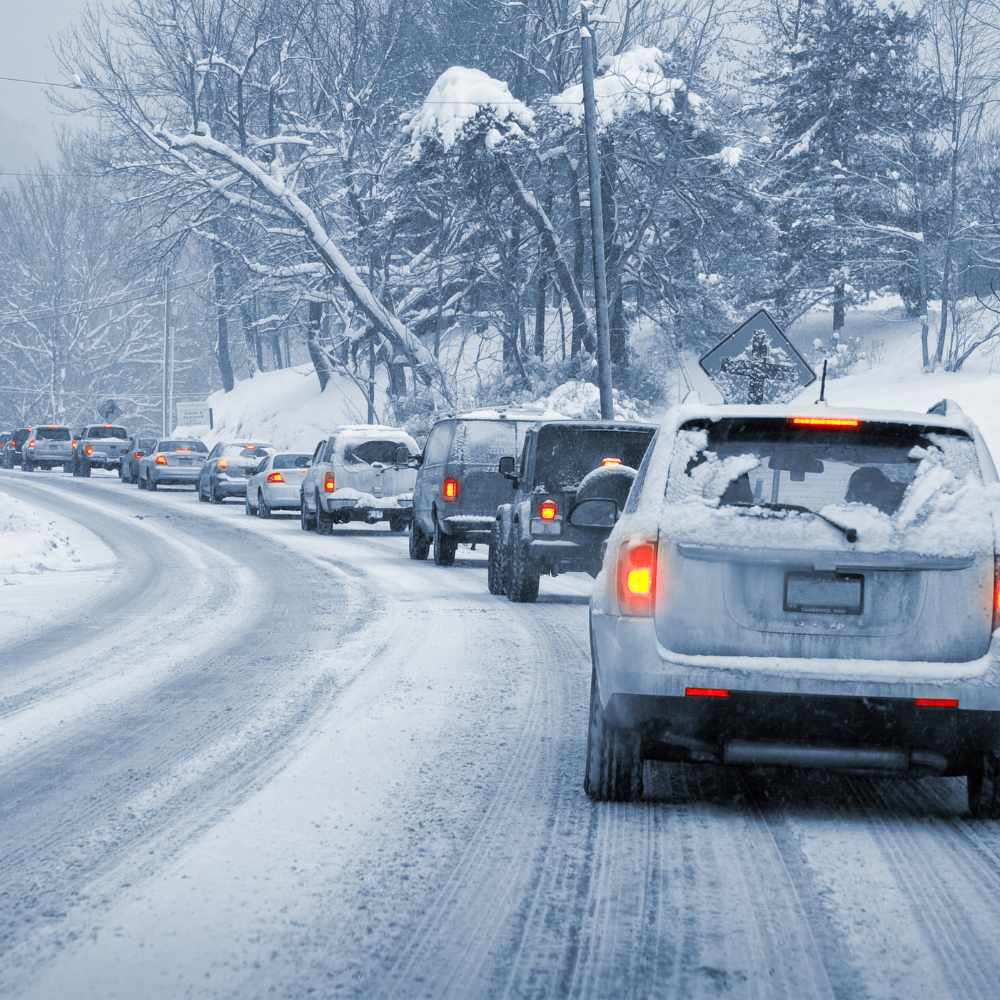
Vehicle Winter Preparedness
Keep an emergency kit in your vehicle containing:
- Extra warm clothing, blankets, and gloves
- Non-perishable high-energy foods and water
- First aid supplies
- Flashlight with extra batteries
- Matches or lighter
- Sand or kitty litter for traction
- Small shovel
- Booster cables
Keep your gas tank at least half full throughout winter to prevent fuel line freeze-ups.
Recognizing When to Seek Medical Help
Contact Pinnacle Medical Services or seek emergency care if you or someone else experiences:
- Symptoms of frostbite (numbness, white or gray skin, blistering)
- Signs of hypothermia (severe shivering, confusion, slurred speech, drowsiness)
- Chest pain or difficulty breathing during cold exposure (may indicate heart strain)
- Worsening of chronic conditions during cold weather
Special Considerations for Vulnerable Populations
Certain groups face higher risks in cold weather:
- Older adults may have reduced ability to sense temperature changes
- Young children lose body heat more rapidly than adults
- People with chronic illnesses need extra precautions
- Those experiencing homelessness need access to warming centers
Check on elderly neighbors and relatives during extreme cold periods.
Your Partner in Winter Health
At Pinnacle Medical Services, we’re here year-round to support your health needs. Located at Unit 11 – 1600 Regent Ave West, our clinic provides treatment for cold-weather injuries, management of chronic conditions affected by winter weather, and preventive health guidance.
Don’t let winter weather keep you from enjoying all that Winnipeg has to offer. With proper preparation and precautions, you can stay healthy, active, and safe throughout the coldest months.





No comment