
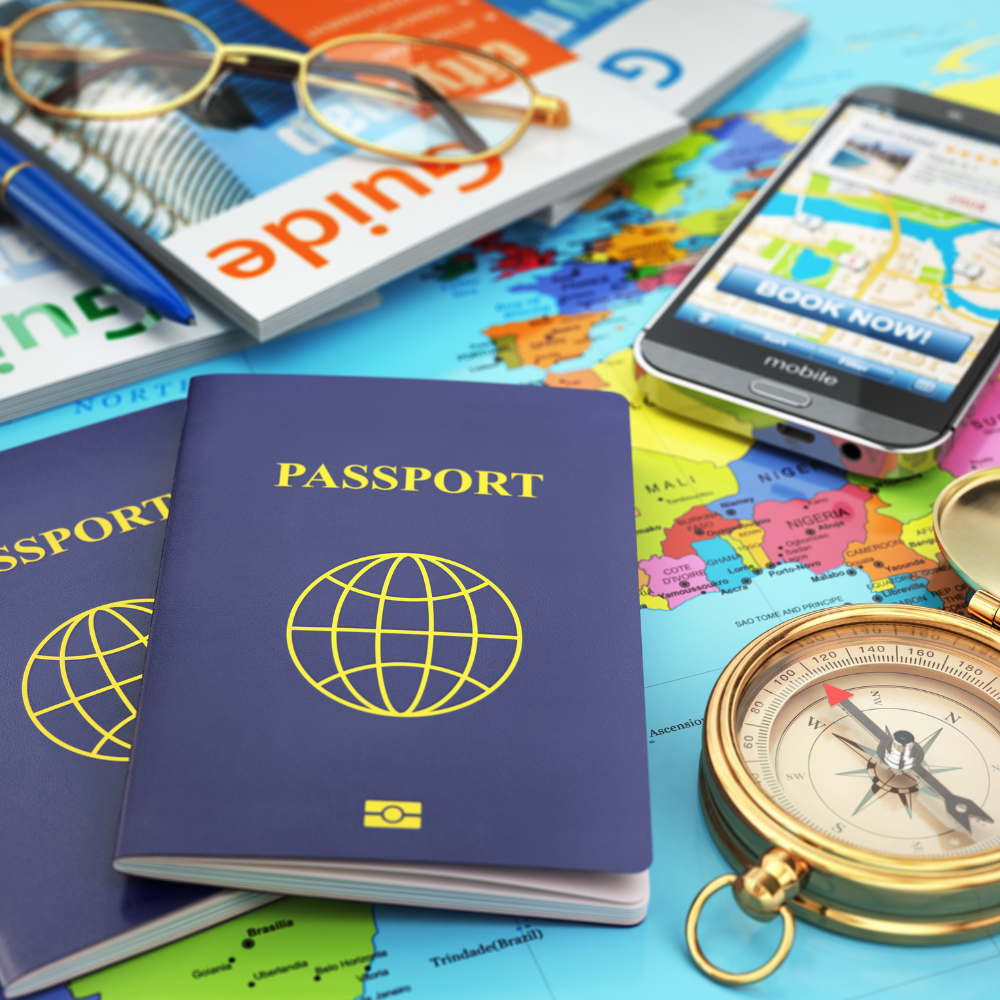
Your Complete Guide to Travel Vaccinations and Health Planning
Planning an international trip is exciting, but ensuring your family’s health and safety while abroad requires careful preparation. At Pinnacle Medical Services, we provide comprehensive travel health counseling to help Winnipeg families stay healthy wherever their adventures take them.
Why Travel Health Consultations Matter
Different destinations around the world present unique health risks that aren’t found in Canada. From mosquito-borne diseases in tropical regions to food and water safety concerns in developing countries, proper preparation can prevent serious illness and ensure your trip remains memorable for all the right reasons.
The best time to schedule your travel health consultation is 4-6 weeks before departure. This timeline allows adequate time for vaccines that require multiple doses and for your immune system to develop full protection before you travel.
Common Travel Vaccinations and Requirements
Depending on your destination, you may need several travel-specific vaccines:
Yellow Fever is required for entry into certain countries in Africa and South America. This vaccine must be administered at designated Yellow Fever Vaccination Centres, and you’ll receive an International Certificate of Vaccination as proof. The vaccine provides protection for life with a single dose.
Hepatitis A and B vaccines protect against liver infections that can be transmitted through contaminated food, water, or blood. These are recommended for most international travelers, particularly those visiting areas with poor sanitation.
Typhoid Fever protection is important for travelers to South Asia, Africa, and Latin America, especially if you’ll be eating street food or staying in areas with questionable water quality.
Rabies vaccination should be considered if you’ll be working with animals, spending extended time outdoors, or traveling to areas where medical care may not be readily available.
Japanese Encephalitis is recommended for travelers spending extended periods in rural Asia, particularly during transmission season.
Meningococcal Disease vaccines are required for travelers to certain countries and recommended for those visiting the “meningitis belt” of sub-Saharan Africa.
Understanding What’s Covered
It’s important to know that Manitoba Health does not cover most travel-related vaccines. These vaccines are considered preventive care for voluntary international travel and are typically paid for out-of-pocket by travelers.
However, some private health insurance plans do cover travel vaccines as part of extended health benefits. Before your appointment, contact your insurance provider to understand what may be covered and what documentation you’ll need for reimbursement.
At Pinnacle Medical Services, we provide transparent pricing and can help you understand the costs associated with your travel health needs.
Beyond Vaccinations: Comprehensive Travel Health
Travel health involves more than just vaccinations. During your consultation at our Regent Avenue clinic, we’ll discuss:
Malaria Prevention – If you’re traveling to malaria-endemic areas, we’ll prescribe appropriate antimalarial medications and provide guidance on mosquito bite prevention strategies.
Traveler’s Diarrhea Management – We can provide prescriptions for antibiotics to treat traveler’s diarrhea, along with advice on food and water safety practices.
Altitude Sickness Prevention – For travelers heading to high-altitude destinations like Peru, Nepal, or parts of Africa, we can prescribe medications to prevent altitude sickness.
Sun Protection and Heat Safety – Tropical destinations require additional sun protection strategies, especially for children and those with fair skin.
Motion Sickness and Jet Lag – We can recommend medications and strategies to minimize these common travel discomforts.
Food and Water Safety Guidelines
Many travel-related illnesses stem from contaminated food and water. Follow these essential guidelines:
- Drink only bottled or purified water, and avoid ice cubes made from tap water
- Eat thoroughly cooked foods served hot
- Avoid raw fruits and vegetables unless you can peel them yourself
- Steer clear of street food in areas with questionable hygiene standards
- Use bottled water even for brushing teeth in high-risk areas
- Avoid unpasteurized dairy products
Insect Bite Prevention
Many serious diseases are transmitted by mosquitoes and other insects. Protect yourself by:
- Using insect repellent containing DEET, Picaridin, or oil of lemon eucalyptus
- Wearing long sleeves and pants, especially during dawn and dusk when mosquitoes are most active
- Sleeping under mosquito nets in endemic areas
- Treating clothing with permethrin for added protection
- Staying in accommodations with screens and air conditioning when possible
Special Considerations for Families
Traveling with children requires additional planning:
- Infants may be too young for certain vaccines, so extra precautions are needed
- Children are at higher risk for dehydration in hot climates
- Bring adequate supplies of any regular medications your child takes
- Pack a first aid kit with pediatric pain relievers, antihistamines, and bandages
- Research medical facilities at your destination in case your child needs care
Managing Chronic Conditions While Traveling
If you have diabetes, heart disease, asthma, or other chronic conditions:
- Schedule a pre-travel checkup to ensure your condition is well-controlled
- Bring more than enough medication for your entire trip, packed in carry-on luggage
- Carry a letter from your doctor explaining your medical conditions and medications
- Research medical facilities at your destination
- Consider purchasing travel medical insurance that covers pre-existing conditions
Travel During Pregnancy
Pregnant women should consult their healthcare provider before traveling. Generally:
- The second trimester is the safest time for travel
- Some vaccines are safe during pregnancy, while others are not recommended
- Long flights increase the risk of blood clots
- Travel to areas with Zika virus should be avoided
- Ensure adequate medical facilities are available at your destination
COVID-19 Considerations
International travel requirements continue to evolve. Before departure:
- Check entry requirements for your destination country
- Verify whether proof of vaccination is needed
- Understand testing requirements for return to Canada
- Consider bringing rapid COVID-19 tests
- Review your destination’s current COVID-19 situation
Returning Home Healthy
After your trip:
- Monitor for any symptoms of illness for several weeks
- Seek medical attention if you develop fever, rash, diarrhea, or other concerning symptoms
- Inform your doctor about your recent travel when seeking care
- Some tropical diseases can have long incubation periods
Travel Documentation
Keep organized records including:
- Vaccination certificates, especially for Yellow Fever
- Prescriptions for any travel medications
- Your doctor’s contact information
- Medical insurance information
- List of medications you’re taking
Schedule Your Travel Health Consultation
Don’t leave your health to chance when traveling abroad. Contact Pinnacle Medical Services at Unit 11 – 1600 Regent Ave West, Winnipeg to schedule your travel health consultation. Our experienced physicians will assess your itinerary, medical history, and individual needs to create a comprehensive travel health plan.
Whether you’re planning a tropical beach vacation, a business trip to Asia, or an adventure trek through Africa, we’re here to ensure you and your family stay healthy throughout your journey.
Your Complete Guide to Travel Vaccinations and Health Planning
Planning an international trip is exciting, but ensuring your family’s health and safety while abroad requires careful preparation. At Pinnacle Medical Services, we provide comprehensive travel health counseling to help Winnipeg families stay healthy wherever their adventures take them.
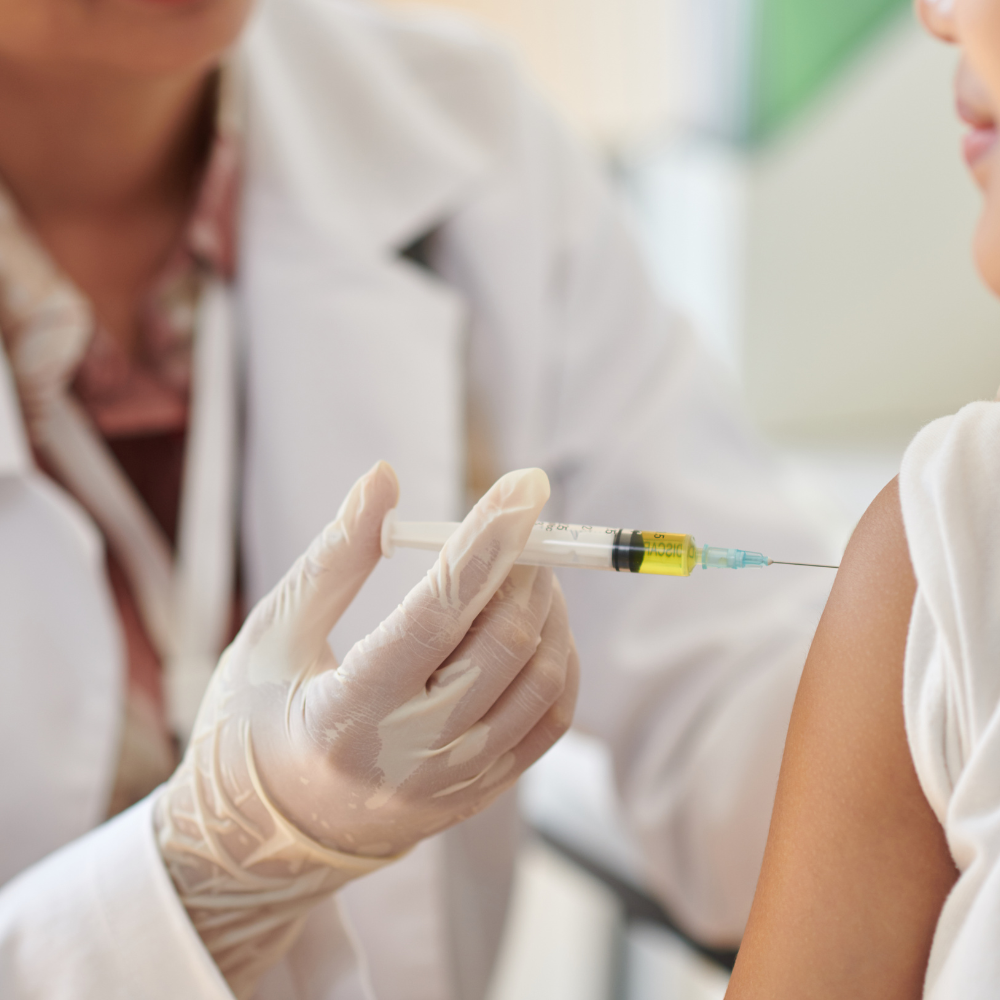
Why Travel Health Consultations Matter
Different destinations around the world present unique health risks that aren’t found in Canada. From mosquito-borne diseases in tropical regions to food and water safety concerns in developing countries, proper preparation can prevent serious illness and ensure your trip remains memorable for all the right reasons.
The best time to schedule your travel health consultation is 4-6 weeks before departure. This timeline allows adequate time for vaccines that require multiple doses and for your immune system to develop full protection before you travel.
Common Travel Vaccinations and Requirements
Depending on your destination, you may need several travel-specific vaccines:
Yellow Fever is required for entry into certain countries in Africa and South America. This vaccine must be administered at designated Yellow Fever Vaccination Centres, and you’ll receive an International Certificate of Vaccination as proof. The vaccine provides protection for life with a single dose.
Hepatitis A and B vaccines protect against liver infections that can be transmitted through contaminated food, water, or blood. These are recommended for most international travelers, particularly those visiting areas with poor sanitation.
Typhoid Fever protection is important for travelers to South Asia, Africa, and Latin America, especially if you’ll be eating street food or staying in areas with questionable water quality.
Rabies vaccination should be considered if you’ll be working with animals, spending extended time outdoors, or traveling to areas where medical care may not be readily available.
Japanese Encephalitis is recommended for travelers spending extended periods in rural Asia, particularly during transmission season.
Meningococcal Disease vaccines are required for travelers to certain countries and recommended for those visiting the “meningitis belt” of sub-Saharan Africa.
Understanding What’s Covered
It’s important to know that Manitoba Health does not cover most travel-related vaccines. These vaccines are considered preventive care for voluntary international travel and are typically paid for out-of-pocket by travelers.
However, some private health insurance plans do cover travel vaccines as part of extended health benefits. Before your appointment, contact your insurance provider to understand what may be covered and what documentation you’ll need for reimbursement.
At Pinnacle Medical Services, we provide transparent pricing and can help you understand the costs associated with your travel health needs.
Beyond Vaccinations: Comprehensive Travel Health
Travel health involves more than just vaccinations. During your consultation at our Regent Avenue clinic, we’ll discuss:
Malaria Prevention – If you’re traveling to malaria-endemic areas, we’ll prescribe appropriate antimalarial medications and provide guidance on mosquito bite prevention strategies.
Traveler’s Diarrhea Management – We can provide prescriptions for antibiotics to treat traveler’s diarrhea, along with advice on food and water safety practices.
Altitude Sickness Prevention – For travelers heading to high-altitude destinations like Peru, Nepal, or parts of Africa, we can prescribe medications to prevent altitude sickness.
Sun Protection and Heat Safety – Tropical destinations require additional sun protection strategies, especially for children and those with fair skin.
Motion Sickness and Jet Lag – We can recommend medications and strategies to minimize these common travel discomforts.
Food and Water Safety Guidelines
Many travel-related illnesses stem from contaminated food and water. Follow these essential guidelines:
- Drink only bottled or purified water, and avoid ice cubes made from tap water
- Eat thoroughly cooked foods served hot
- Avoid raw fruits and vegetables unless you can peel them yourself
- Steer clear of street food in areas with questionable hygiene standards
- Use bottled water even for brushing teeth in high-risk areas
- Avoid unpasteurized dairy products
Insect Bite Prevention
Many serious diseases are transmitted by mosquitoes and other insects. Protect yourself by:
- Using insect repellent containing DEET, Picaridin, or oil of lemon eucalyptus
- Wearing long sleeves and pants, especially during dawn and dusk when mosquitoes are most active
- Sleeping under mosquito nets in endemic areas
- Treating clothing with permethrin for added protection
- Staying in accommodations with screens and air conditioning when possible
Special Considerations for Families
Traveling with children requires additional planning:
- Infants may be too young for certain vaccines, so extra precautions are needed
- Children are at higher risk for dehydration in hot climates
- Bring adequate supplies of any regular medications your child takes
- Pack a first aid kit with pediatric pain relievers, antihistamines, and bandages
- Research medical facilities at your destination in case your child needs care
Managing Chronic Conditions While Traveling
If you have diabetes, heart disease, asthma, or other chronic conditions:
- Schedule a pre-travel checkup to ensure your condition is well-controlled
- Bring more than enough medication for your entire trip, packed in carry-on luggage
- Carry a letter from your doctor explaining your medical conditions and medications
- Research medical facilities at your destination
- Consider purchasing travel medical insurance that covers pre-existing conditions
Travel During Pregnancy
Pregnant women should consult their healthcare provider before traveling. Generally:
- The second trimester is the safest time for travel
- Some vaccines are safe during pregnancy, while others are not recommended
- Long flights increase the risk of blood clots
- Travel to areas with Zika virus should be avoided
- Ensure adequate medical facilities are available at your destination
COVID-19 Considerations
International travel requirements continue to evolve. Before departure:
- Check entry requirements for your destination country
- Verify whether proof of vaccination is needed
- Understand testing requirements for return to Canada
- Consider bringing rapid COVID-19 tests
- Review your destination’s current COVID-19 situation
Returning Home Healthy
After your trip:
- Monitor for any symptoms of illness for several weeks
- Seek medical attention if you develop fever, rash, diarrhea, or other concerning symptoms
- Inform your doctor about your recent travel when seeking care
- Some tropical diseases can have long incubation periods
Travel Documentation
Keep organized records including:
- Vaccination certificates, especially for Yellow Fever
- Prescriptions for any travel medications
- Your doctor’s contact information
- Medical insurance information
- List of medications you’re taking
Schedule Your Travel Health Consultation
Don’t leave your health to chance when traveling abroad. Contact Pinnacle Medical Services at Unit 11 – 1600 Regent Ave West, Winnipeg to schedule your travel health consultation. Our experienced physicians will assess your itinerary, medical history, and individual needs to create a comprehensive travel health plan.
Whether you’re planning a tropical beach vacation, a business trip to Asia, or an adventure trek through Africa, we’re here to ensure you and your family stay healthy throughout your journey.


No comment